admin
admin
The Detroit Lions have steadily evolved into one of the NFL’s most competitive and exciting franchises, earning respect for their powerful offense, smart defensive schemes, and growing consistency. When the Detroit Lions face the Cincinnati Bengals, fans witness a high-energy matchup between two franchises known for explosive plays and physical toughness. While outcomes can vary year to year, what always remains constant is the importance of player performance and key statistics that shape the match. In this article, we break down the essential Detroit Lions player stats, positional insights, and performance factors that often play a defining role whenever these two teams meet.
This long-form, human-written guide explores how the Lions approach the game, what player metrics typically influence the outcome, and how their strengths match up against the Bengals. Whether you’re a long-time fan or someone analyzing team performance, these insights offer a deeper look into what makes the Detroit Lions a team worth watching.
Detroit Lions Offensive Strength: Quarterback Performance
The quarterback position has always been a determining factor for the Detroit Lions, especially in high-intensity matchups like those against the Bengals. When evaluating quarterback stats, several elements stand out—completion percentage, passing yards, decision-making under pressure, and red-zone efficiency. Over the years, the Lions’ quarterbacks have shown resilience, often demonstrating the ability to adjust mid-game and read evolving defensive strategies. Against a team like the Bengals, who are known for aggressive pressure packages, this ability becomes vital. Quarterbacks who maintain poise in the pocket, avoid turnovers, and capitalize on quick-release plays often shape the direction of the match.
The Lions’ offensive identity frequently revolves around rhythm passing, deep-ball threats, and ball-control drives. These styles are reflected in their quarterback’s stats, especially in terms of yards per attempt and third-down conversion success. Strong quarterback play typically sets the tone, giving the Lions confidence and momentum early in the game.
Running Game Impact: Detroit Lions Ground Attack
The Detroit Lions’ running back unit has grown into one of the team’s most dependable assets. Rushing stats—yards per carry, broken tackles, red-zone rushing touchdowns, and explosive runs—help illustrate the ground game’s influence in matchups against the Bengals. A solid rushing performance does more than move the chains; it keeps the opposing defense honest and opens up opportunities for play-action passes.
The Lions often rely on a balanced approach, using both powerful downhill runs and creative outside schemes. Their running backs’ versatility is reflected in dual-threat metrics like total yards from scrimmage. Against Cincinnati’s typically disciplined defensive front, a successful run game becomes essential for controlling tempo and maintaining offensive balance. These stats not only measure individual performance but also highlight the effectiveness of the offensive line, which plays a crucial role in creating running lanes and maintaining pocket structure.
Wide Receiver and Tight End Stats: The Lions’ Playmaking Edge
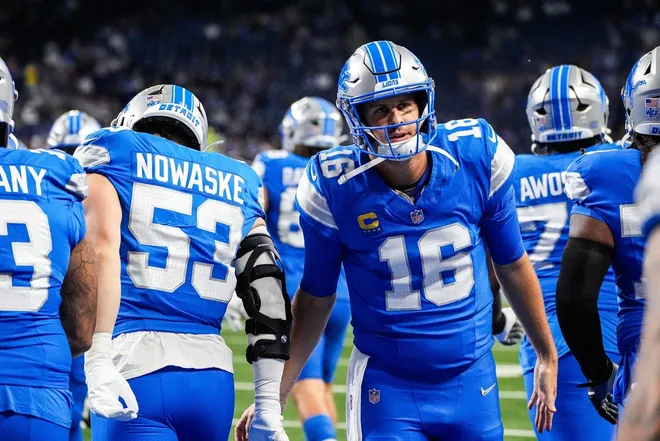
A matchup between the Detroit Lions and the Bengals frequently showcases dynamic plays from the Lions’ receiving unit. Key stats such as yards after catch, reception totals, average depth of target, and red-zone efficiency paint a clear picture of how impactful these players can be. The Lions’ wide receivers often bring a blend of speed, route precision, and physicality, giving their offense the flexibility to attack defenses vertically and horizontally.
Tight ends also contribute significantly, offering reliable hands and strong blocking support. Their performance becomes especially important on third downs and in congested goal-line situations. When the Lions’ pass catchers consistently create separation and execute clean routes, the overall offensive production tends to surge. Against a Bengals defense that has historically emphasized coverage discipline, these receiving stats become indicators of how well the Lions’ offense is functioning.
Detroit Lions Defensive Line Stats: Pressure and Stopping Power
Defense remains a defining element for the Detroit Lions, and their defensive line often dictates the tone. When evaluating match performance, statistics such as sacks, quarterback pressures, tackles for loss, and run-stopping efficiency offer crucial insight. The Lions’ pass rush—characterized by a mix of edge pressure and interior disruption—can heavily influence the Bengals’ offensive rhythm, particularly against quarterbacks who rely on timing-based throws.
Run defense is equally important, as limiting rushing yards forces the Bengals into predictable play-calling. Defensive linemen who consistently win one-on-one matchups, collapse pockets, and set strong edges tend to elevate the Lions’ overall defensive performance. These stats do more than record individual achievements—they reflect the synergy of the defensive unit and the success of the coaching strategy.
Linebacker Contributions: Tackles, Coverage, and Leadership

Linebacker performance often becomes a deciding factor in Detroit Lions vs Bengals matchups. Key stats include total tackles, coverage grades, forced fumbles, and blitz efficiency. The Lions’ linebackers frequently serve as the bridge between run defense and pass coverage, making their versatility essential. Whether dropping back to contain tight ends or stepping forward to fill rushing lanes, linebackers must consistently diagnose plays and respond quickly.
Their tackling efficiency plays a major role in preventing explosive plays, while strong coverage skills can disrupt passing windows. Leadership from this group also boosts the defense’s communication, ensuring proper alignment and adjustments. Against Cincinnati’s typically dynamic offensive sets, linebacker stats often reveal the Lions’ defensive discipline and execution.
Detroit Lions Secondary Stats: Coverage and Turnovers
In modern NFL matchups, the secondary plays a crucial role in determining defensive success. The Detroit Lions’ defensive backs focus on limiting big plays, contesting catches, and generating turnovers. Relevant stats include pass breakups, interceptions, completion percentage allowed, and coverage ratings.
When facing the Bengals, who often rely on precision route running and deep passing threats, the Lions’ secondary must maintain tight coverage and discipline. Their ability to read route combinations, anticipate throws, and stay physical at the catch point helps shape the game’s outcome. Secondary stats also highlight the unit’s adaptability, especially when adjusting to motion-heavy formations or quick passing attacks.
Special Teams Impact: Hidden Stats That Change Games

Special teams often determine field position, momentum, and scoring opportunities. The Detroit Lions’ special teams unit consistently emphasizes reliable execution in kicking, punting, return coverage, and field goal accuracy. Stats such as net punting yards, field goal percentage, return yardage, and coverage efficiency help measure the unit’s effectiveness.
In close matchups against the Bengals, these often-overlooked metrics influence possession advantages and scoring potential. A strong special teams performance not only contributes directly to the scoreboard but also supports the offense and defense by creating favorable field conditions. These stats often become the difference between narrow wins and tough losses.
How Detroit Lions Player Stats Shape the Match Outcome
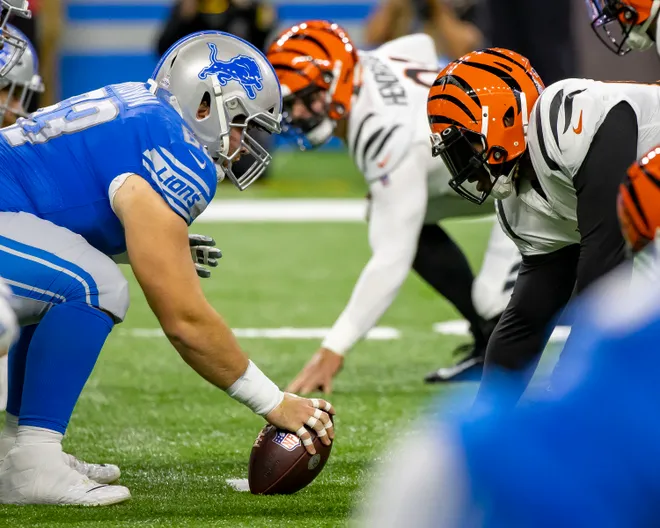
Player stats tell the story of preparation, performance, and in-game adaptability. When the Detroit Lions face the Bengals, the matchup becomes a test of strength, endurance, and execution across all phases of football. Offensive efficiency, defensive pressure, coverage discipline, and special teams execution collectively determine the team’s competitive edge.
By analyzing these key statistics, fans and analysts gain a deeper understanding of how individual contributions support the Lions’ overall strategy. Whether focusing on explosive offensive plays or defensive resilience, these stats reveal the foundation of the Lions’ performance and the potential turning points in the game.
FAQs
1. What are the most important Detroit Lions stats to watch in a matchup against the Bengals?
Quarterback efficiency, rushing success, defensive pressure, and secondary coverage stats are typically the biggest indicators of performance.
2. How does the Detroit Lions offense match up against the Bengals?
The Lions usually rely on a balanced offensive approach, using both the run game and passing attack to challenge Cincinnati’s defensive structure.
3. Why are defensive line stats important in Lions vs Bengals games?
Strong pressure and run-stopping ability help limit Cincinnati’s offensive rhythm and force difficult third-down situations.
4. What role does the Lions’ secondary play in this matchup?
They focus on preventing big plays, contesting passes, and creating turnover opportunities to disrupt the Bengals’ passing strategy.
5. How do special teams stats impact the Detroit Lions’ overall performance?
Field positioning, kicking accuracy, and return efficiency contribute to scoring opportunities and momentum throughout the game.